Table Of Content

To turn the feature on, press the cruise control On/Off button on the steering wheel. Your vehicle will default to the type of cruise control you last used when you turned your vehicle off. When the system is turned on, you’ll see a white Adaptive Cruise Control icon in your cluster display or on your Head-Up Display, if your vehicle has that feature. The icon may look like a speedometer with a vehicle on top of it or an arc with a small triangle pointing through it. Since debuting in the U.S. in the 2000s, ACC has become widely available.
Automatic emergency braking on vulnerable road users
For very brief stops, Adaptive Cruise Control will automatically resume and follow the vehicle ahead. If the system doesn’t detect a vehicle ahead, Adaptive Cruise Control works just like cruise control and maintains your selected cruise speed. When the system detects a vehicle ahead of you in your lane, it will automatically slow down or speed up your vehicle to maintain your selected following gap. But if you do decide to brake or accelerate independently, the adaptive cruise control system will automatically shut off and you’ll have to reset it if you want it back in control. While ACC is an innovative feature progressing automotive technology, the human driver remains responsible for all actions behind the wheel.
Real World ACC Performance
The Mercedes and Lexus/Toyota ACC systems scored top marks for their well-tuned following-gap distance settings. Our testers found the closest setting to be comfortable in high-traffic areas while still not allowing so much space that other vehicles would continually cut in ahead. We also like that the Mercedes and Subaru ACC systems have settings that allow the driver to adjust the deceleration and acceleration force with which it slows down and speeds back up for traffic ahead. Both point infrared cameras at the driver’s face and sound an alert if he or she stops paying attention to the road, even if just for a few seconds.
Testing and Validating Adaptive Cruise Systems
If your vehicle has the Driver Attention System (DAS) on the steering column, Adaptive Cruise Control may automatically resume and follow the vehicle ahead for longer stops if the system detects that you're paying attention to the road. Adaptive cruise control is a system that keeps your car running at a steady set speed and reacts to changes in the pace of the car in front of you. The automatic emergency braking on vulnerable road users helps to avoid collisions, particularly with cyclists and pedestrians. The lane keeping assist detects lane markings via video camera and actively supports the driver to remain in the marked lane. Dean has been part of the Auto Express team for more than 20 years, and has worked across nearly all departments, starting on magazine production, then moving to road tests and reviews.
Are All Adaptive Cruise Control Systems the Same?
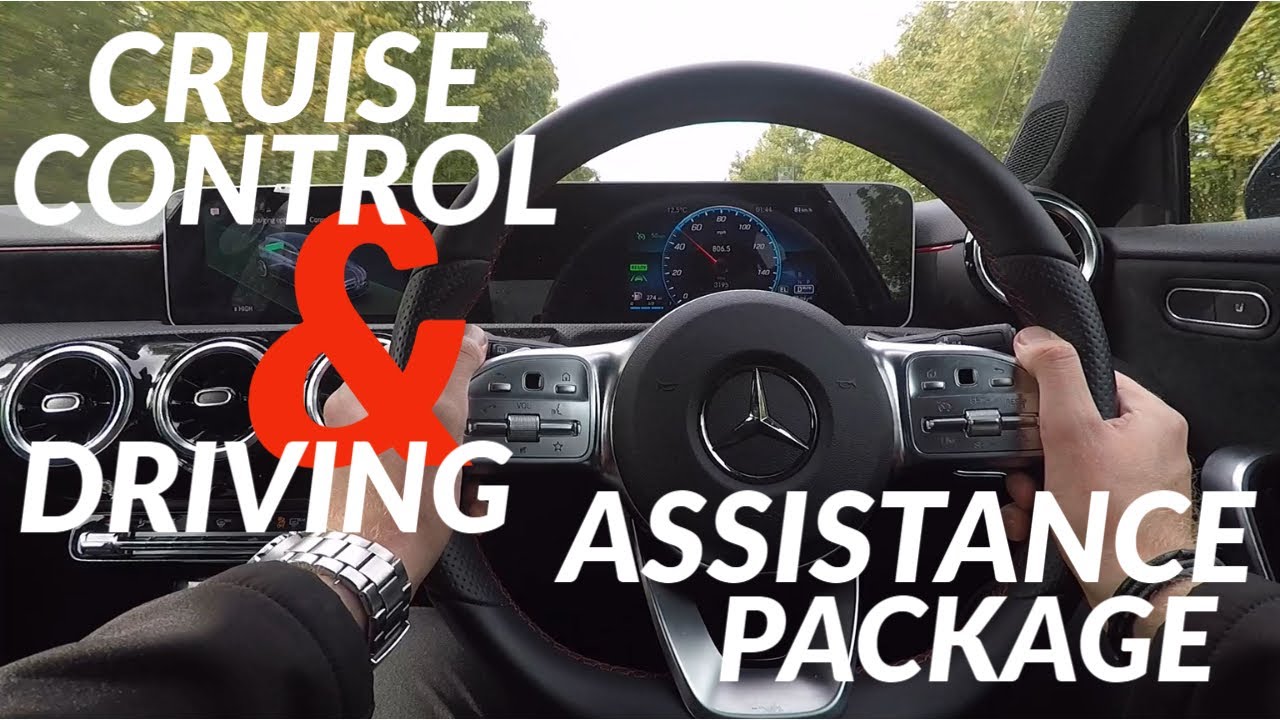
As such, you can easily activate it when there are no vehicles near you. Sam McEachern holds a diploma in journalism from St. Clair College in Windsor, Ontario, and has been covering the automotive industry for over 5 years. He's a die-hard motorsports fan with a passion for performance cars of all sorts. But it‘s impossible to evaluate every edge case scenario an ACC system may encounter once on the road. With so many automakers offering ACC, it‘s now an expected convenience feature for car buyers.
Hyundai Ioniq 5 Reviewed (Again): Does It Still Have the Juice? - Edmunds.com
Hyundai Ioniq 5 Reviewed (Again): Does It Still Have the Juice?.
Posted: Fri, 01 Dec 2023 08:00:00 GMT [source]
The Insight’s cruise control system comes with a Low-Speed Follow feature. With the ProPilot Assist system activated, your vehicle can follow vehicles safely. The Pilot Assist system works to maintain a reasonable distance from other road users. The S60’s cruise control system is called the “Pilot Assist” feature. To choose a cruise speed, press the Set button while driving at the desired speed.
The Road to Fully Autonomous Driving
Like other ADAS systems, ACC needs to have sensors recalibrated after a collision and many vehicle services like windshield replacement. Some ACC systems offer advanced traffic sign recognition, while others utilize GPS speed limit data. These optional ACC features help to combat the use of ACC technology to speed. In this article, we will explain adaptive cruise control and how it works, provide examples of ACC features in ADAS packages, and explain the importance of adaptive cruise control calibration.
Fully autonomous vehicles will need ACC to track the cars ahead of them as well as those on the side beginning lane changes. While it will be critical to cars of the future, current drivers have much to gain from cars that already utilize ACC. Car manufacturers today with ACC include Acura, BMW, Chevrolet, Ford, Subaru, Toyota, Volvo, and many more. Standard ACC can be activated from speeds of around 30 km/h (20 mph) upwards and supports the driver, primarily on cross-country journeys or on freeways. The ACC stop & go variant is also active at speeds below 30 km/h (20 mph). It can maintain the set distance to the preceding vehicle even at very low speeds and can decelerate to a complete standstill.
How Tesla, BMW, Ford, GM and Mercedes driver assist systems compare - TechCrunch
How Tesla, BMW, Ford, GM and Mercedes driver assist systems compare.
Posted: Thu, 28 Dec 2023 08:00:00 GMT [source]
The RAV4’s ACC system uses radar sensors to help the vehicle maintain a safe distance from other vehicles. If your vehicle has this available feature, Adaptive Cruise Control† allows you to set a cruise control speed and automatically follow a detected vehicle ahead at a driver-selected following gap. If no vehicle is detected in your path, the feature works like regular cruise control. There are a few different types of adaptive cruise control on the market. Some systems are radar-based (these are the most commonplace), while others use cameras or a combination of radar and cameras. Some systems are laser-based, although these are much less common these days.
That depends on how quickly you’re traveling, as faster-moving vehicles need more room to stop than slower ones, and your comfort level, as many systems allow drivers to adjust the gap length via a button on the steering wheel. BlueCruise is what’s known as an active driving assistance (ADA) system. In the simplest terms, ADA is the simultaneous use of a car’s adaptive cruise control (ACC) to control speed and lane centering assistance (LCA) to control steering. ACC is an advanced form of cruise control that brakes or accelerates to keep the car a set distance from vehicles traveling ahead of you in your lane. LCA provides steering support to keep the vehicle at or near the center of the lane. Adaptive cruise control or Active Cruise Control (ACC) is an advanced driver assistance system (ADAS) that automatically adjusts a vehicle’s speed when there are slow-moving vehicles ahead, with the aim of maintaining a safe following distance.
In a Consumer Reports survey, 85 percent of drivers with Adaptive Cruise Control (ACC) on their vehicles said they were very satisfied with it. What’s more, 19 percent said their ACC system helped to avoid a crash. Jaguar/Land Rover, Lexus/Toyota, Tesla, and Volvo rank toward the bottom of the chart in terms of making it clear when they are (and are not) safe to use. Tesla’s Autopilot and Lexus’ Safety System+ 3.0 are both capable of being used even when there’s only a single lane line down the middle of the road, which can lead to the driver using them in an unsafe situation. The systems try to create a “center” of the lane but often end up steering too close to the unlined edge of the road. GM’s Super Cruise would have scored the lowest for “displays” if it weren’t for the bright green LED indicator on the top of the steering wheel rim, which makes it clear when the system is engaged.
Forward collision alert and collision mitigation braking attempt to reduce the chances of drivers being involved in rear-end collisions, which are on the rise in the U.S. in part due to distracted driving from cellphone use. With semi-autonomous active safety systems becoming commonplace, more and more vehicles are beginning to offer adaptive cruise control as either optional or standard equipment. Camera-based systems use a totally different operational method, using computers to attempt to recognize objects and features from their visual representations, rather than using time-of-flight of a beam of directed energy like laser or radar.
The sensors alert drivers to potential forward collisions and can control automatic braking and acceleration abilities as well. Luxury features on the Soul include a heated steering wheel, adjustable seats, and climate control. For an SUV specific list, view the compact SUVs with adaptive cruise control. Unlike other cruise control systems, the Pilot Assist doesn’t need a car ahead of you to determine vehicle speed.
Most of these systems also come with accident avoidance and collision warning features, like emergency braking and alert lights, to help the driver maintain a safe distance. Either a radar or laser-based system that can maintain speed, but reduces speed if the gap to the car in front falls below a preset distance. This constitutes Level One automation on the automated vehicle classification chart, as they driver is required to take control at any time. A radar and camera-based system, like Mercedes-Benz’s Distronic Plus system, uses both radars and cameras to scan the road ahead.
By the 1950s, you could see modern cruise control systems at play, like the 1958 Chrysler Imperial's "auto-pilot" system. For all you exhausted and frustrated motoring enthusiasts out there, we're going to tell you what this snazzy piece of technology is, how it works, and what cars have adaptive cruise control in the UK. Front radar sensor is employed to realize driving functions that enhance comfort, convenience, safety, and enable automated driving. The first proper ACC system was Mercedes' Distronic system, which appeared on the S-Class limousine in 1999. This system not only controlled the throttle, but also the brakes to maintain a set distance to the vehicle in front.
When carmakers pitched cruise control to the American public more than half a century ago, they framed it as a way to maintain a safe, consistent speed on the highway and a path to conserving fuel. The major car manufacturers are all hurriedly looking to adopt adaptive cruise control technology in their latest models. If you're in the market for a car with adaptive cruise control in the UK, check out this chunky list of models (brand new ones exclusively) that might interest you. If you want a car that doesn't come with adaptive cruise control as standard, you can get it added on in the factory. Do some shopping around and also take some time to think about whether you'll actually use it and get your money's worth.




No comments:
Post a Comment